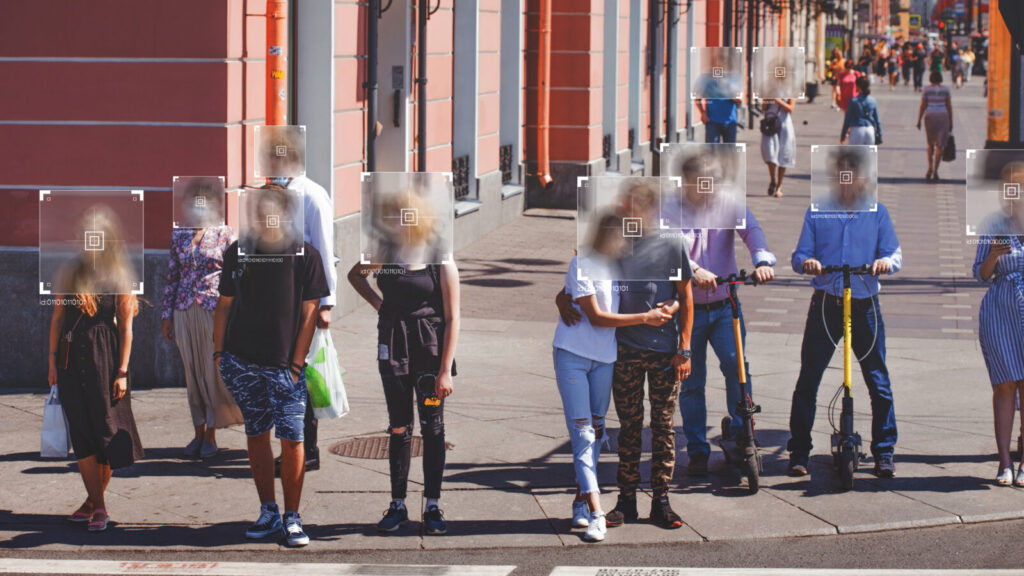
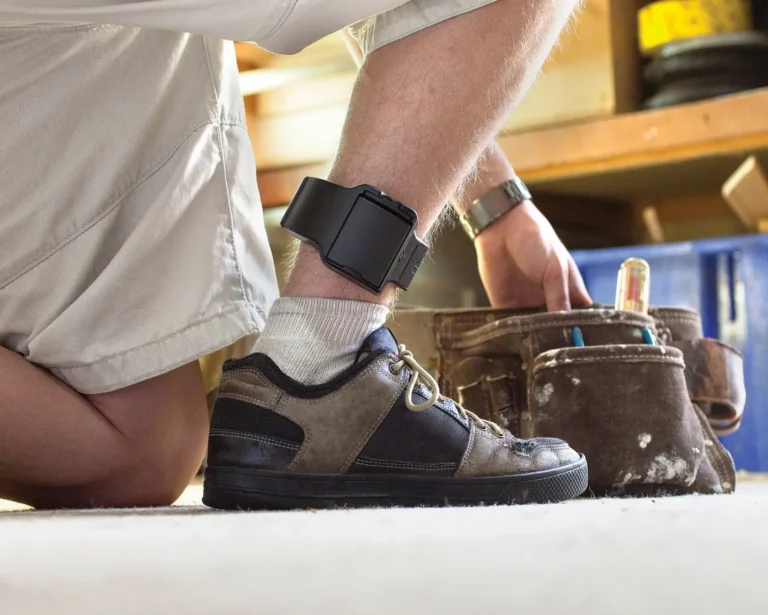
Surveillance is no longer just a tool of the state. It is also the business model of tech giants, and the line between voluntary and involuntary data collection has quietly dissolved.
Across Europe the pattern repeats. The AI Act bans police from using real-time facial recognition in public spaces, but it leaves narrow exceptions that member states can switch on through national law. The EU’s temporary rules that let platforms scan private messages for child abuse material were revived in 2026 after lapsing, and talks on a permanent regulation continue. Each new system arrives with a reasonable justification: counterterrorism, crime prevention, child protection. The infrastructure it builds, however, is far easier to expand than to roll back.
This category covers the expanding surveillance infrastructure, both state and commercial, and what freedom we surrender for security and convenience, without always realizing it.
Want to know how exposed you are yourself? Take the Surveillance Check: ten questions and a concrete plan for what you can do.