



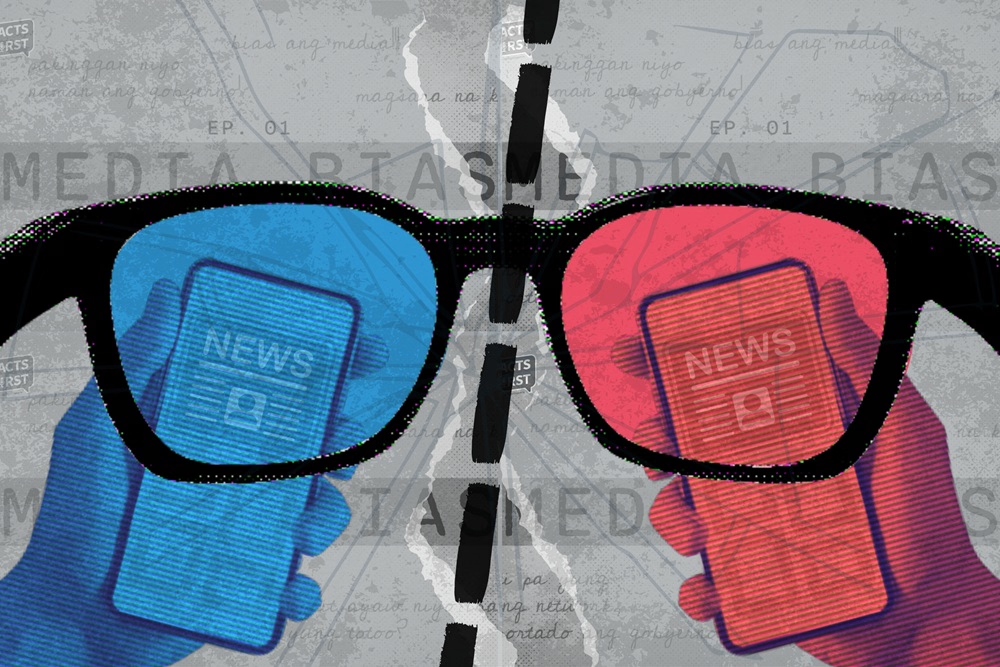
Are media really objective, or do invisible biases shape our understanding of reality? Observations from modern media studies show that even well-meaning journalism contains systematic distortions that affect how millions understand events and make decisions.
Media bias is seldom about deliberate propaganda, but about structural patterns in news production, from which stories are selected, to how they are framed and which voices are included. That raises questions about objectivity at a time when readers’ trust in established media is being challenged globally, and when AI tools introduce new, invisible forms of bias into journalistic production. The consequences are real, when readers lose the ability to tell fact from angle, democratic discourse is weakened.
Five types of bias you should know
- Selection bias happens at the story level: Which events are covered at all? For example, constant focus on crime in certain neighbourhoods can create negative stereotypes, even if the data does not support a pattern.
- Omission bias works deeper inside the story, which facts are left out? A political analysis can highlight the benefits of a reform but ignore criticism or consequences.
- Framing bias operates structurally through the angle: A strike can be framed as “workers’ fight for rights” or “disruption to the economy”, both true, but with opposite emotional appeals.
- Loaded language works at word level with charged terms like “terrorists” vs. “freedom fighters”, which create associations without explicit argument.
- Source bias concerns whose voices are included, does the journalist only consult officials, not affected citizens?
How is media bias measured?
Researchers use content analysis to map bias objectively: How much airtime do different perspectives get, how are they framed, and are certain topics consistently presented through one ideological lens?
Methods include quantitative coding of word choice, sentiment analysis of tone, and mapping which sources are cited most often. Academic studies show that professional media generally follow news criteria such as timeliness and relevance rather than explicit party loyalties, but the method is challenged in the fragmented digital environment.
The paradox is obvious, however: Even research on bias is vulnerable to interpretation bias, where each side sees confirmation of its preconceived beliefs.
Results can be cited selectively, and methodological choices, which periods are analysed, which topics are included, shape the conclusions. That illustrates the biggest challenge of bias: Complete objectivity remains illusory, even in academic analysis.
How to see through bias yourself
Critical readers analyse news as constructions, not objective reality, by asking: Which facts are covered and ignored? Which assumptions are implicit? Which perspectives are portrayed favourably or unfavourably? They notice contradictions within the same story and discount sensational angles by putting them in perspective.
At ExtraFokus we counter bias through OSINT methods that cross-check claims against public databases, and by transparently linking to all sources. That does not mean perfect objectivity, all newsrooms have blind spots, but by documenting our method and admitting limitations we strengthen integrity. Press ethics’ requirement of accuracy means that the facts must always be in place, even if the angle varies.
Media bias does not disappear, but conscious readers can navigate the information environment by asking critical questions of every story. It requires readers’ active participation in democratic discourse.
ExtraFokus.eu, a deeper look.
You can find more articles about our working methods here:
- OSINT
- Source method
- Ethics & Independence
- Critical Check
- OSINT Journalist Tools