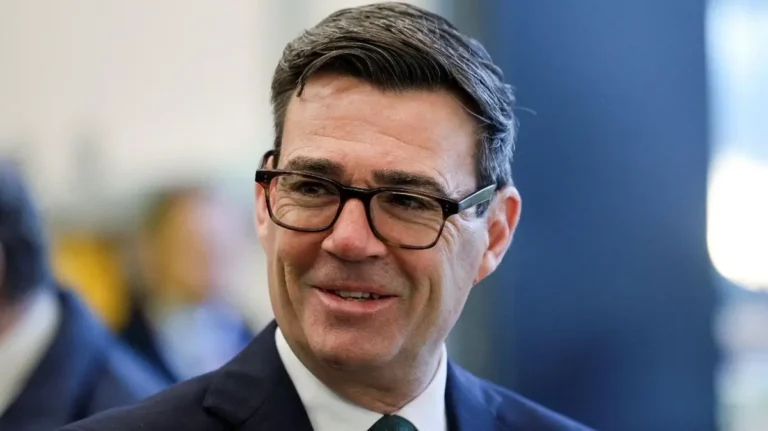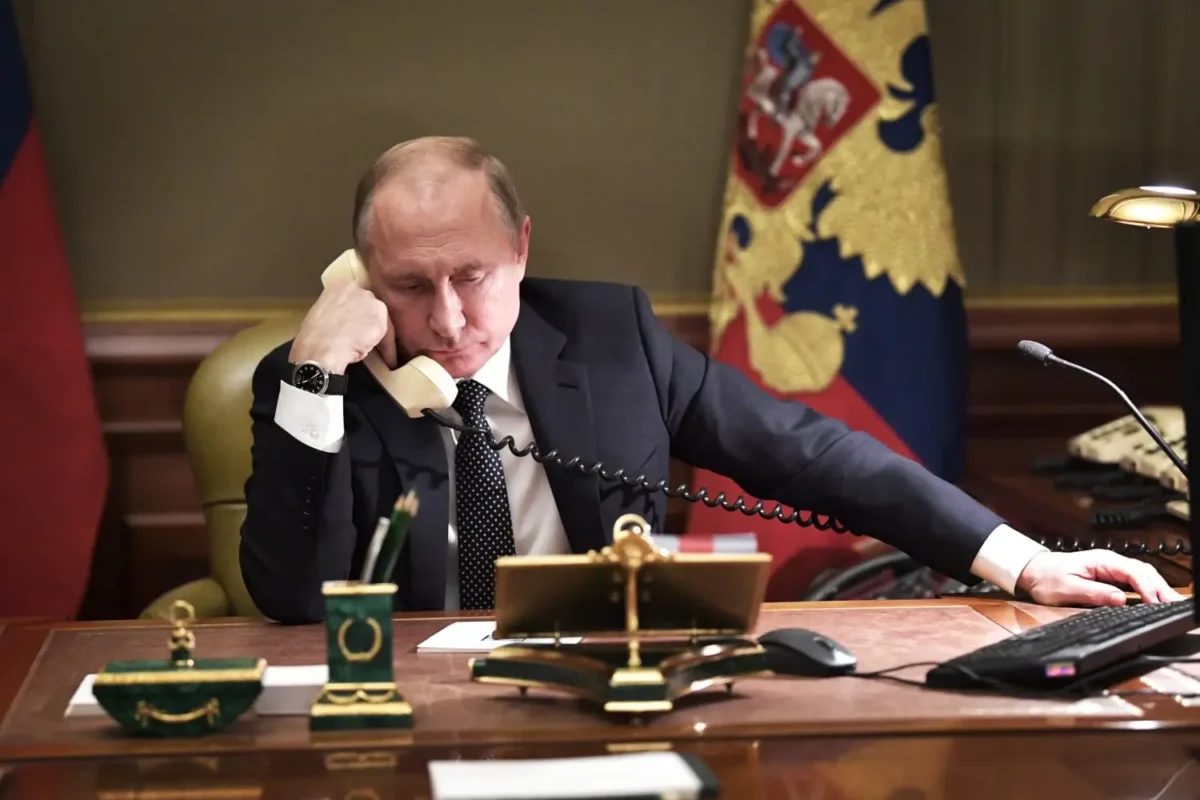
Finland’s president and Norway’s prime minister called Vladimir Putin on Tuesday, the first such call by a leader of a European country backing Ukraine since July 2025. Denmark’s prime minister says the initiative was not coordinated with others. The Putin call has split a Nordic group that rarely disagrees on Russia, and it exposes a gap in Brussels: there is no agreed answer to who talks to Moscow for Europe.
Table of contents
Two leaders, no mandate
Stubb and Støre called from Helsinki. They say they wanted to pass Ukraine’s messages to Putin ahead of the Abu Dhabi talks and that they acted in consultation with Kyiv. The call followed a meeting in Oslo on 20 October, where Volodymyr Zelenskyy met US envoy Steve Witkoff. Both leaders stressed they spoke for their own countries, not for Europe.
Stubb said ending the war requires direct discussions, and Støre stressed de-escalation. They then phoned Zelenskyy, who wrote on X that they had pressed for concrete steps to ease attacks on Ukraine’s energy facilities. Preparations for the November talks also came up.
Read also: Who Really Runs the EU? The Answer Depends on the Room
The Kremlin’s version is shorter. Putin criticised the confrontational policies of EU and NATO countries for prolonging the war, and the three agreed to keep direct phone contact. The Kremlin says a lasting peace requires Russia’s legitimate interests to be taken into account “fully and unconditionally”.
A source close to the Kremlin said that Putin signalled no compromise on taking all of Donbas and that the two replied a just peace was needed. That is one anonymous source.
Copenhagen and Stockholm object
Mette Frederiksen said she is very sceptical of what she called an independent initiative by Norway and Finland and that it was not coordinated with other European countries. She compared the move with Viktor Orbán’s trip to Moscow. Her evidence that Moscow is not serious is the war itself: overnight, 16 ballistic missiles and more than 280 drones hit Kyiv, according to Ukrainian officials.
Sweden’s Ulf Kristersson was milder. Everyone wants peace except Putin, he said, but talks that risk splitting the European voice are risky.
Brussels is not absent, but it has no agreed envoy
The Commission and the Council are building their own channel. They are preparing a joint team of senior officials for the technical talks in Abu Dhabi, with von der Leyen’s chief of cabinet Bjoern Seibert tipped to lead it. Ukraine, Russia and the US have agreed to meet there in the first half of November. Brussels wants Europeans at the same table, which has not happened before in this process.
Read also: Romania blames Russia after drone sinks cargo ship
Accounts differ on how settled this is. Il Foglio reported on 23 October that von der Leyen had appointed Seibert as the EU’s envoy as a fait accompli, without consulting leaders and without a decision by the European Council. Euronews says no envoy has been named. Neither report documents whether leaders were informed beforehand.
The last European attempt at a channel ended badly. In June, a senior aide to Costa had brief contacts with Kremlin officials. Macron and Merz objected at the 18 June summit, and Denmark and the Netherlands backed them. The channel was put on hold.
On direct talks, Macron and Meloni are among those who called for contact earlier this year, with Austria, Belgium, Bulgaria, Czechia, Luxembourg and Slovakia gradually following. Germany, Poland, Sweden, Denmark and the Baltic states resist, arguing that Russia’s positions remain maximalist.
Moscow wants Europe at the table
Putin’s aide Yury Ushakov said it is not enough to talk only to Kyiv and that Moscow wants to talk to the whole of Europe. Russia appears to welcome European participation in the talks.
Three answers to the question of who speaks for Europe are now on the table: two leaders on a phone line, a Commission aide whose title is disputed, and a Council channel on hold. The first test comes in Abu Dhabi in the first half of November.
SOURCES & METHOD
How this article was made. It rests on ten sources, all news reports. None is the Kremlin’s, Finland’s or Norway’s own readout, so the content of the call comes through RTE, Moscow Times, Al Jazeera and Reuters. The question of the EU envoy rests on two reports that contradict each other.
Sources
- Euronews: Putin call pits Finland and Norway against Denmark and Sweden (27 October 2026) – the call, statements by Frederiksen and Kristersson, and the Nordic record on Russia.
- Euronews: After months dithering, Europe shows it’s ready for talks with Russia (updated 28 October 2026) – the Kremlin account, the joint team for Abu Dhabi, the camps, Seibert and Ushakov.
- Al Jazeera: Russia targets Kyiv as Finnish, Norwegian leaders hold rare call with Putin (27 October 2026) – the strike on Kyiv, the call from Helsinki and Zelenskyy’s account.
- RTE: Norway and Finland leaders hold ‘frank’ call with Putin (27 October 2026) – the Kremlin and leaders’ statements and the Abu Dhabi meeting.
- The Moscow Times: Finnish, Norwegian Leaders Call Putin Ahead of Ukraine Peace Talks (27 October 2026) – the first call of its kind since July 2025.
- Reuters via Eye on the Arctic: Leaders of Norway and Finland call Putin in break with previous European stance (27 October 2026) – the source close to the Kremlin.
- LIGA.net: “We must speak with one voice”: Denmark’s prime minister criticized Stubb and Støre’s call to Putin (27 October 2026) – Frederiksen’s remarks on coordination and unity.
- Il Foglio: Von der Leyen has appointed her special envoy for the war in Ukraine (23 October 2026) – the Seibert appointment and the lack of consultation.
- Reuters via Dawn: EU’s Costa opens channel to Kremlin (20 June 2026) – the June contacts and the reaction at the summit.
- NV: EU leadership split into two camps regarding negotiations with Russia (19 June 2026) – Politico’s account of the summit.