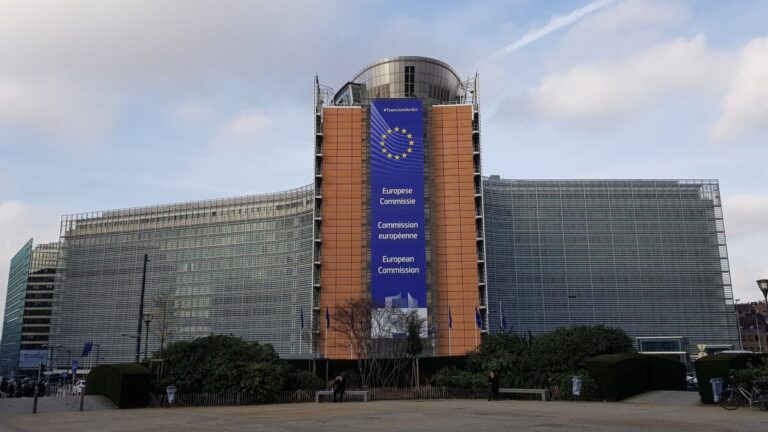



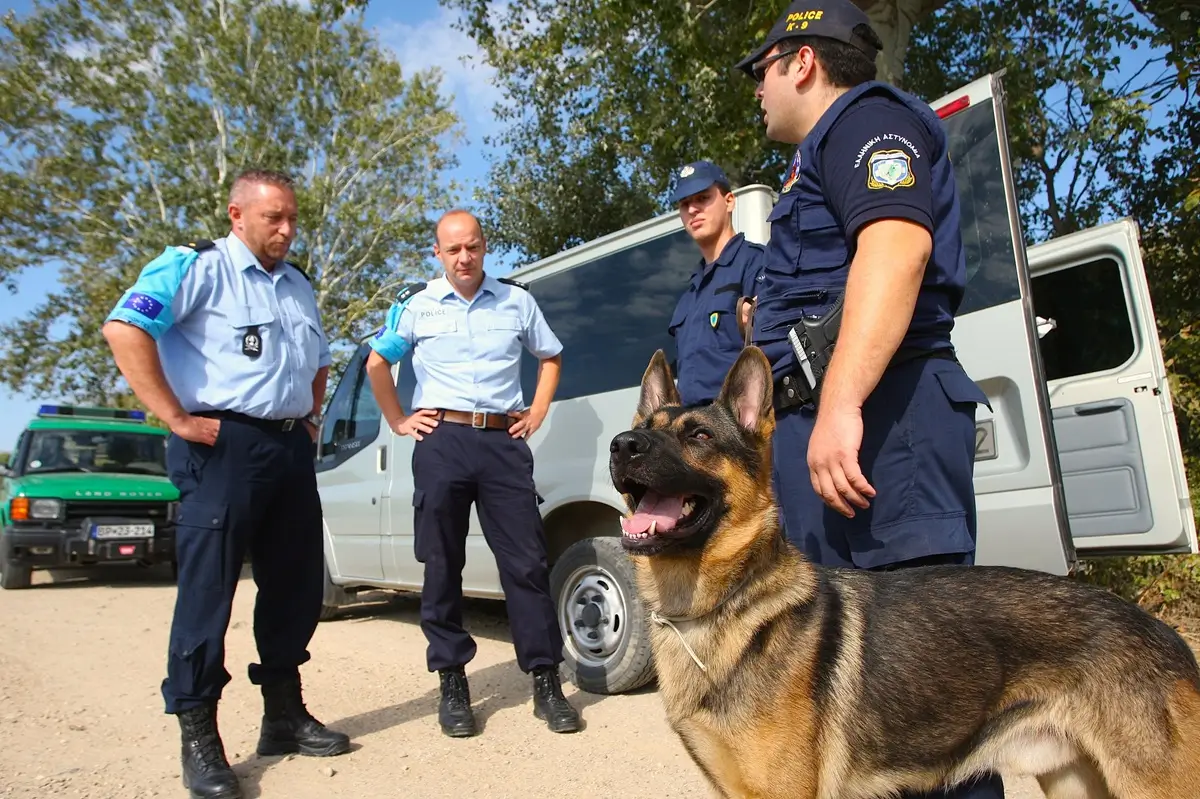
On 27 October the European Commission proposed a new mandate for Frontex that would grow its standing corps to 30,000 officers, request €11.8 billion for 2028 to 2034 and, according to two outlets, narrow what the agency’s own fundamental rights office can investigate. The headline figure of 17,000 refers to a reserve, not to new permanent staff.
Table of contents
Parliament and Council must both approve the package. The rights provisions are the least documented part, so they need checking against the legal text.
What the Commission proposes
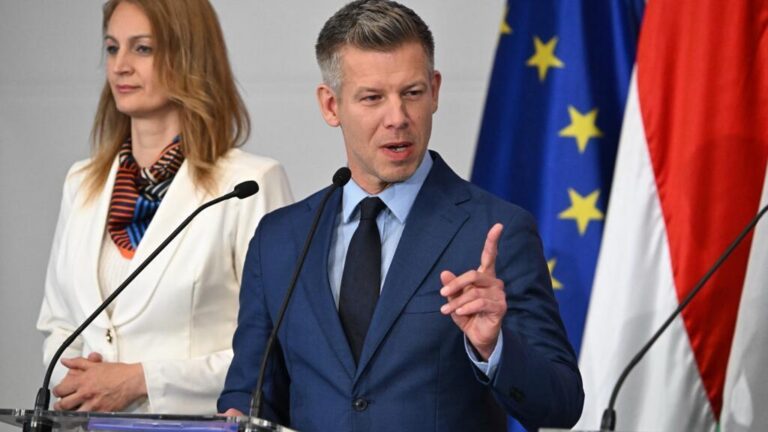
Internal affairs commissioner Magnus Brunner presented two proposals: an amended Frontex regulation and a separate regulation to digitise return case management. The standing corps would grow gradually to 30,000 officers. A new European Border and Return Reserve of 17,000 officers would be available to member states when needed, and it would be built up by 2041.
About 7,000 officers seconded by national governments would come on top. The budget request is €11.8 billion for 2028 to 2034, up from about €6 billion for the current period, in a budget negotiation where a Germany-led group is pressing for cuts.
Read also: Brussels Prices Border Drones but Not Rights Monitors
What Frontex would do
A Return Coordination Centre inside Frontex would follow cases from identification and voluntary-return counselling to flights and reintegration support. Frontex could also organise returns from one non-EU country to another, but only under an agreement with that country and within fundamental rights limits. Critics see this as groundwork for return hubs outside the EU.
An Online Monitoring and Response Centre would watch publicly accessible social media for developments relevant to borders. There would also be a Quick Reaction Force that could deploy at short notice at a member state’s request, and a 24-hour reporting duty for events with significant border impact.
What changes for rights oversight
EU Insider reports that the draft would narrow what the rights office can examine. It could look into Frontex’s own staff, but not national officers working alongside the agency. Alleged abuses by those officers would go to their home authorities. ThePrint writes that the watchdog’s scope would be narrowed and complaints referred to national authorities.
EUnews does not mention the rights office, and Amnesty’s statement does not say what changes for it. Amnesty’s concern is broader: the reform expands Frontex’s budget, powers and mandate without a matching increase in safeguards or transparency. The provision itself can only be confirmed in the Commission’s text, which none of these accounts quotes.
The rights officer Jonas Grimheden has reported that of 52 cases member states were asked about, none of the national investigations led to anyone being held responsible. That is the practical backdrop to sending cases back to national authorities.
A rights office with a history
An OLAF report found the rights officer had been denied access to information and reports of serious incidents involving Frontex staff, after which the then director, Fabrice Leggeri, resigned. A 2019 reform added a deputy rights officer and fundamental rights monitors and made Frontex responsible for violations by its directly employed staff, while member states stayed responsible for seconded staff.
Read also: Brussels Asylum Emergency Plan Has Backers, No Text
The Commission’s own evaluation of the 2019 regulation found no immediate need for revision. The 2026 review was written into the regulation, and von der Leyen’s guidelines for 2024 to 2029 already called for growing the corps from 10,000 to 30,000.
The case the Commission makes
Brunner and the Commission point to results: illegal border crossings have more than halved over two years, and the return rate has risen to about a third. Frontex carried out 64,000 returns last year on more than 220 flights. The trigger was the arrival of more than 72,000 people in Ceuta from Morocco in late July, most of whom later left.
The criticism
Eve Geddie, director of Amnesty International’s European Institutions Office, said the reform “compounds the risk of EU complicity in human rights violations” and called for it to be rejected. She objected in particular to forced returns between non-EU countries and to Frontex’s role in return hubs.
Green MEP Tineke Strik accused the Commission of “pandering to populism and the far right” on migration. An Italian centre-left politician compared the approach to the US agency ICE. Brunner says member states are asking for the extra funding.
SOURCES & METHOD
How this article was made. It rests on six sources. The Commission’s legal text was not read directly. The rights office change comes from EU Insider and ThePrint, and the Grimheden figure from EU Insider alone. Frontex’s own response was not available.
Sources
- EU Insider: Brussels wants a 30,000-strong Frontex and a bigger say on deportations (October 2026) – the reserve, seconded officers, the rights office change and Grimheden’s findings.
- EUnews: The Commission proposes a strengthened mandate for Frontex (27 October 2026) – the figures, the budget, the return centre and the Commission’s statistics.
- ThePrint: EU proposes major Frontex expansion, curbs internal rights oversight (27 October 2026) – Brunner, Ceuta, the 2041 timeline, Strik and the oversight change.
- Amnesty International: EU, Frontex reform compounds risk of EU complicity in rights violations (28 October 2026) – Geddie’s statement.
- Statewatch: Frontex mandate review 2026 (19 February 2026) – the OLAF report, Leggeri and the Commission’s evaluation.
- ECRE: An EU agreement on reform of Frontex (5 April 2019) – the 2019 rights provisions.