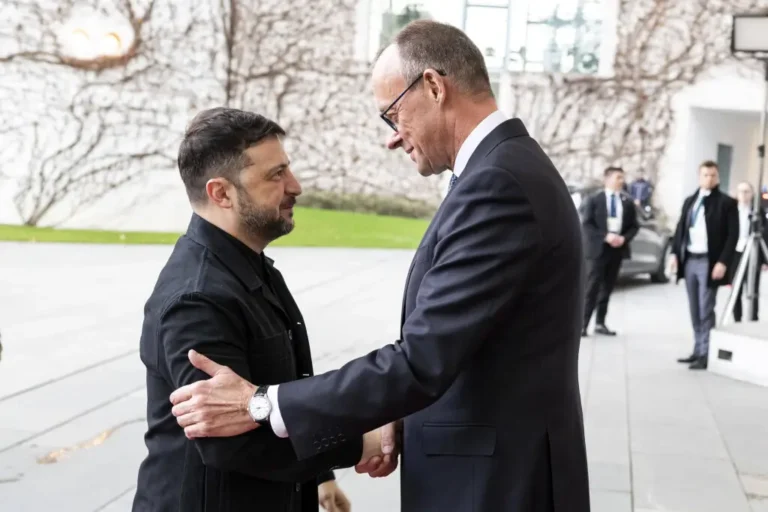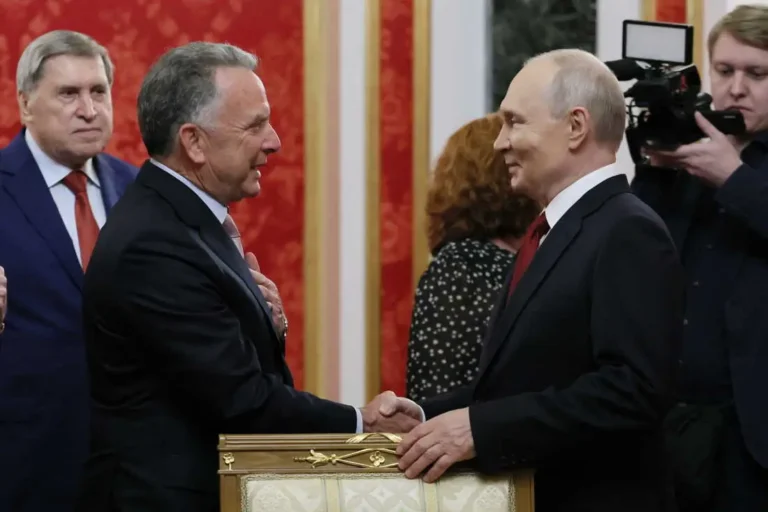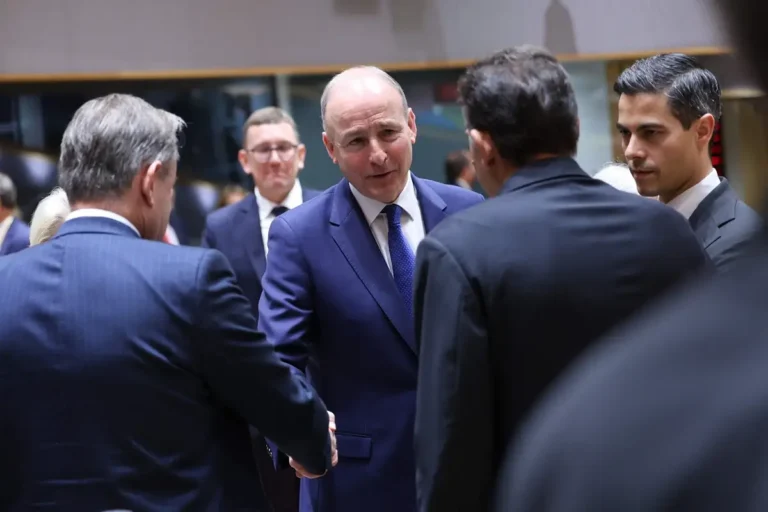



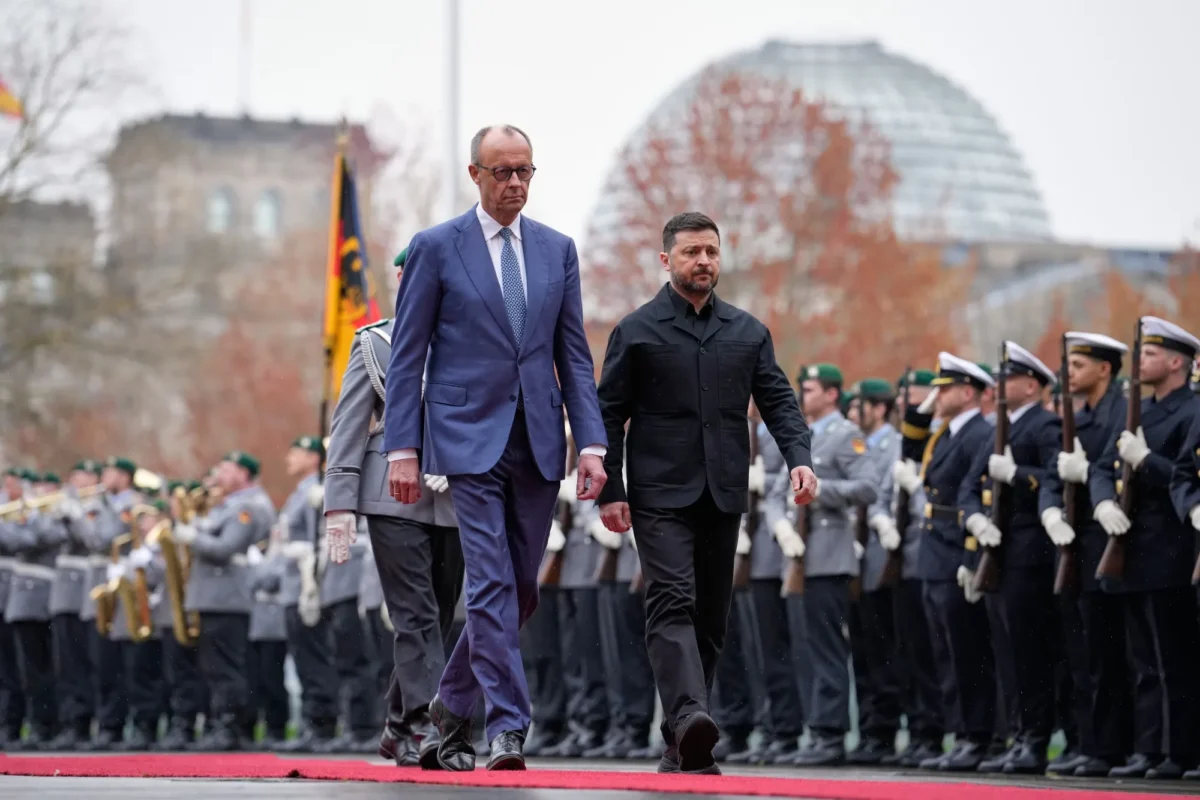
Germany’s chancellor says the EU cannot agree its next long-term budget without a deal on funding Ukraine. In a letter to European Council President António Costa, Friedrich Merz called fresh Ukraine aid an “essential prerequisite” for approving the budget. Four governments are resisting any new joint debt for Kyiv, and one of them calls the move blackmail.
An ultimatum with a price tag
Merz wants “a solution supported by all Member States” for Ukraine financing from 2028, including the accrued interest on the existing loan. That loan, worth €90 billion, is backed by joint borrowing among 24 countries. Slovakia, the Czech Republic and Hungary secured an opt-out from it in exchange for providing the necessary unanimity.
Ukraine faces a €70 billion shortfall in 2027. The EU has promised to cover about two-thirds, roughly €45 billion, through an instrument that has yet to be defined. A new round of joint debt is the front-runner, and the Commission will present options ahead of a special summit at the end of the month.
Read also: Two Dublin Summits Precede the EU’s Budget Showdown
Four governments push back
Slovakia’s Robert Fico calls the link “a textbook case of blackmail” and threatens to use his veto: “We have an equal say in this matter.” The Czech Republic’s Andrej Babiš says the proposed budget already earmarks €100 billion for Ukraine, money that only becomes available in 2028.
Bulgaria’s Rumen Radev points to high deficit levels as the reason to exempt his country from future credit lines for Ukraine, and says Bulgaria will keep helping through other means, such as energy flows. Hungary’s Péter Magyar, after meeting Merz in Berlin, says: “I do not consider this to be blackmail.” He adds that Hungary cannot commit to fresh EU-level debt because of its deficit.
Costa’s answer
Costa has told Merz the two issues will be discussed at a special summit in Brussels at the end of the month, once the Commission has presented proposals on Ukraine’s shortfall. At this week’s informal summit in Dublin he says he will “make time for a broad discussion on Ukraine”.
Read also: Europe’s Recovery Fund Closes With Gaps in Who Got the Money
Not everyone sees the link as a lever. Ireland’s finance minister Simon Harris, whose country holds the presidency, has sided with the so-called frugals. Poland’s Ignacy Niemczycki warns that tying the two issues together could “backfire”. The four resisting governments belong to the 17-country Friends of Cohesion group, which wants to protect cohesion and farm funds.
The budget and the Ukraine money both require unanimity. Merz has tied one to the other, and the governments he needs for the first are the ones refusing the second.
SOURCES & METHOD
How this article was made. The article rests on 4 sources, none of them Merz’s letter itself or a Council document. The dates of the Dublin and Brussels summits were not given in the sources and are left out.
Sources
- Euronews: No deal on Ukraine aid? Then no deal on EU budget, Merz says (9 Nov 2026) – Merz’s condition, the amounts, the holdouts.
- Euronews: EU budget battle erupts as four countries defy Merz over Ukraine aid (10 Nov 2026) – statements by Fico, Babiš, Radev, Magyar and Merz.
- Euronews: Costa seeks to reassure Merz after EU budget ultimatum (10 Nov 2026) – Costa’s reply and the summit plan.
- Meduza: Merz threatens to block EU budget unless four holdouts commit to funding Ukraine (9 Nov 2026) – the letter’s content as relayed from the Financial Times.