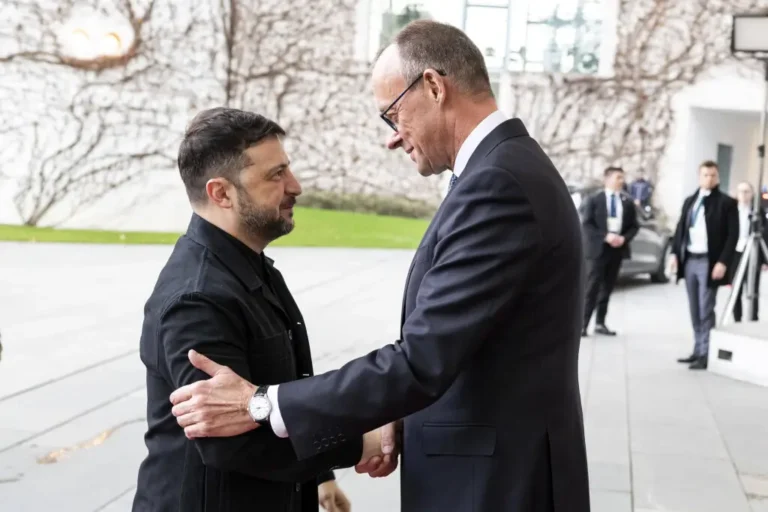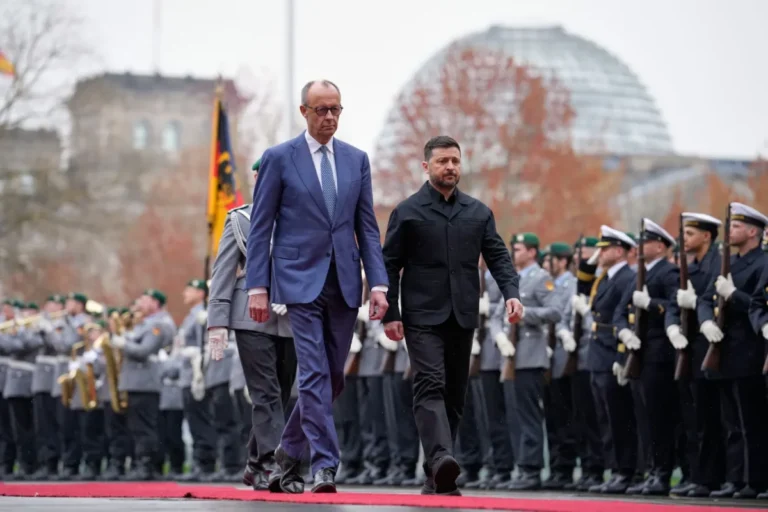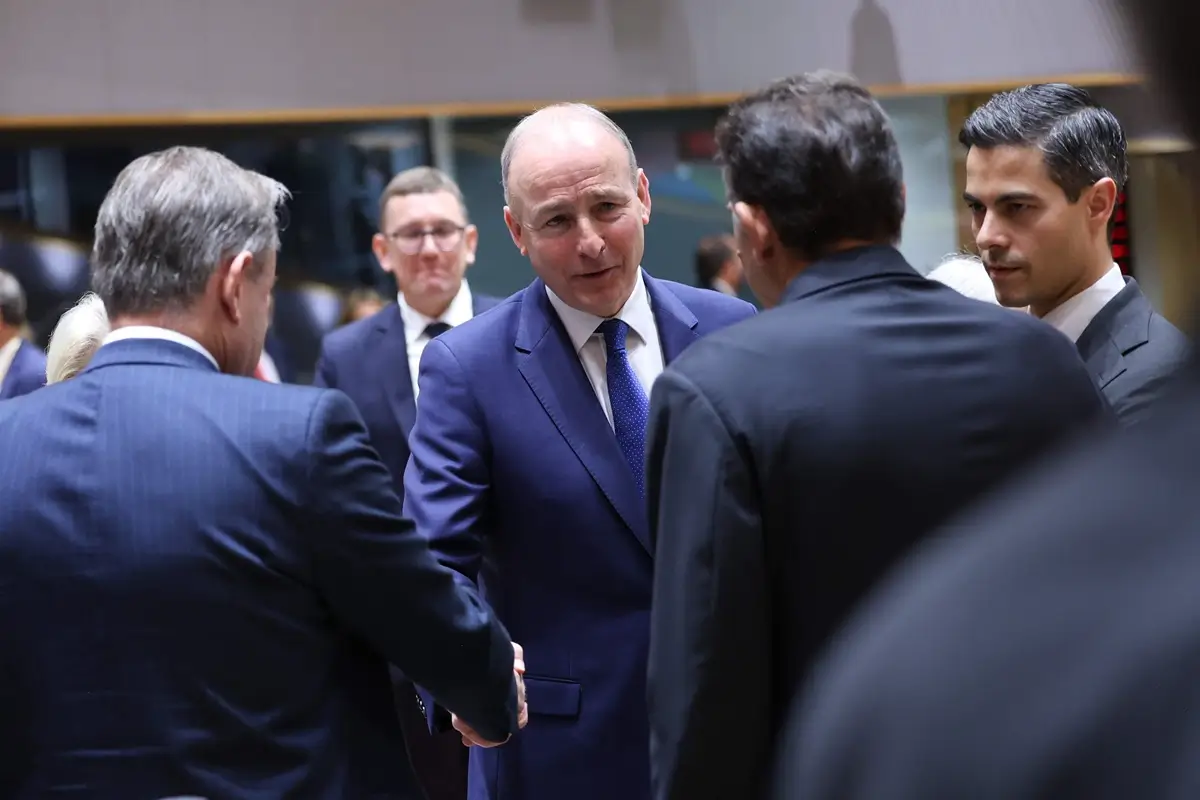
On 12 and 13 November the leaders of Europe gather in Dublin twice in two days, and the second gathering is the one that touches household taxes and farm payments. On Thursday around 50 heads of state or government meet for the European Political Community (EPC) summit. On Friday the 27 EU leaders meet alone with the president of the European Commission, chaired by the president of the European Council.
Table of contents
Thirteen days later they are due in Brussels for a special summit on the EU budget for 2028 to 2034. The Irish presidency’s own draft budget framework, known as the negotiating box, cut the Commission’s proposal by 8 percent, about €141 billion, and reportedly drew no significant backing. Dublin falls between that failed round and the special summit.
A summit that cannot bind anyone
The European Political Community was set up in 2022, after Russia’s invasion of Ukraine, and first met in Prague in October 2022. The Irish government’s own explainer says that “no binding decisions are taken.” Forty-seven European countries take part, with only Vatican City, Russia and Belarus outside the format.
The Taoiseach’s welcome message gives Dublin the theme “strong, secure and connected”, and the stated purpose is “informal political and strategic discussions”. Past meetings have covered Ukraine, European security, energy and competitiveness. The presidency calls the two Dublin meetings the largest ever gathering of heads of state or government in Ireland.
Read also: Europe’s Recovery Fund Closes With Gaps in Who Got the Money
A forum without decisions has a use: it puts the leaders of EU members and of their neighbours in one building for a day. What it cannot do is settle anything, and the Irish government says so itself.
The corridor before the deadline
The second summit is informal as well, and the presidency describes it as a discussion of “topical issues and strategic priorities for the Union”. Agence Europe reports that the meeting is to focus on artificial intelligence, with the budget off the formal agenda. That leaves the margins of the meeting for budget talk.
The sequence matters more than the agenda. The October European Council asked its president, António Costa, to take the negotiations forward and aim for “an agreement before the end of 2026”. The European Parliament’s research service expects his updated proposal “probably after” the Dublin meeting, and Costa has said he will present a proposal with figures before the end of November.
The 15 October session ended after more than five hours without narrowing the differences between capitals. Il Foglio describes the split as one between a “frugal” group of Germany, the Netherlands, Sweden, Finland, Denmark and Austria, which wants a smaller budget, and 17 “friends of cohesion” led by Italy and Romania, which want a more ambitious one. Costa has told member states that new EU-wide taxes must form part of any deal. A deal before the end of the year would allow legislation in 2027 and EU funds from January 2028.
Ukraine’s 2027 bill sits in the same calendar
The budget talks run alongside a separate bill. At the October summit Zelenskyy asked for an additional €70 billion to cover Ukraine’s needs in 2027, and leaders asked the Commission for concrete proposals on that financing. Costa said the Commission would draw up a plan to finance Ukraine next year.
The same summit discussed Russia’s intensifying hybrid attacks, among them drone attacks on merchant ships off the Bulgarian coast and on Leipzig airport. Two requests therefore meet at one table in the coming weeks: a seven-year budget framework still in dispute, and a one-year Ukraine request for 2027.
Read also: Europe’s Farm Money Flows Uphill
A host with a strike and a drone unit
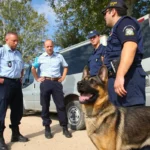
Ireland’s police operation starts on Tuesday 10 November and runs through 13 November, with Garda Air Support and the National Drone Unit, road closures and diverted public transport, the presidency says. Civil servants plan a 24-hour strike on 12 November, and gardaí are reportedly on work-to-rule for the summit day and the day either side.
Passport control at Dublin Airport may be affected by the strike, union sources say. The host of the largest gathering of leaders in its history therefore opens the week with a stoppage in its own public service.
What Dublin has to deliver
Measured against the calendar, Dublin has one job that matters for the budget: leave Costa able to publish figures that the capitals can argue about. The special summit opens on 26 November, three days before the Spanish general election.
If Dublin produces a theme and no number, the leaders arrive in Brussels with the differences that survived five hours on 15 October.
BASIS OF ANALYSIS
Basis of analysis. The analysis rests on 11 sources, six of them official pages from the Irish presidency, the Irish government and the European Parliament’s research service. The content of the October European Council conclusions and of Costa’s invitation letter to the Dublin meeting comes only through the research service and the press. The artificial intelligence focus of the second meeting rests on one trade bulletin, and the size of the cut to the Commission proposal on one outlet; no session agenda for either summit could be confirmed. The description of the frugal and cohesion camps rests on one Italian outlet.
Sources
- Irish Presidency of the Council of the EU: Meeting of the European Political Community – date, venue and stated purpose of the 12 November summit.
- Government of Ireland: What is the EPC? – origin in 2022, informal format, no binding decisions, past topics.
- Government of Ireland: European Political Community, Ireland 2026 – Dublin theme and number of leaders.
- Irish Presidency: Ireland to host high-level political summits (5 November 2026) – dates, scale and policing operation.
- Irish Presidency: Informal meeting of EU Heads of State or Government – participants and purpose of the 13 November meeting.
- European Parliamentary Research Service: Outcome of the European Council meeting of 15-16 October 2026 – budget mandate, Ukraine 2027 request, expected timing of the revised proposal.
- Brussels Signal: Costa takes over EU budget talks and looks to new Brussels taxes (16 October 2026) – outcome of the October round, size of the cut to the Commission proposal, timeline.
- Agence Europe: Costa confirms he will present his proposal with figures (22 October 2026) – timing of Costa’s figures and the reported focus of the Dublin meeting.
- TheJournal.ie: Lack of derogations for striking staff could lead to significant disruption during EU summit (3 November 2026) – civil service strike, garda work-to-rule, airport risk.
- The Brussels Times: How the EU talks to its neighbours (30 April 2026) – membership of the EPC format.
- Il Foglio: The EU budget: the huge gap between words and deeds (19 October 2026) – the frugal and cohesion camps and the planned mid-November package.