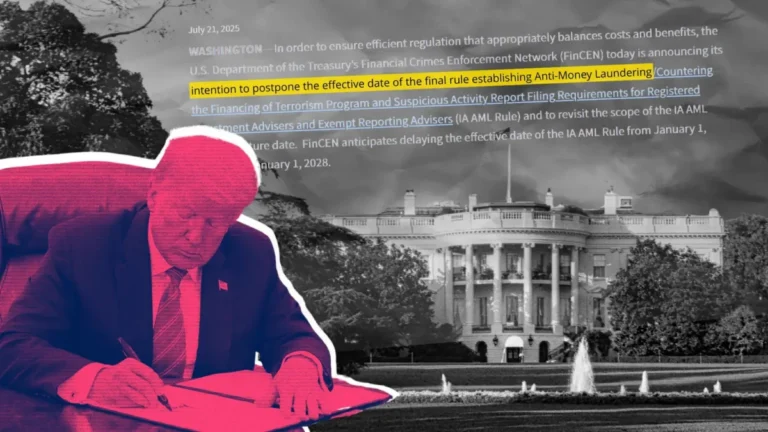



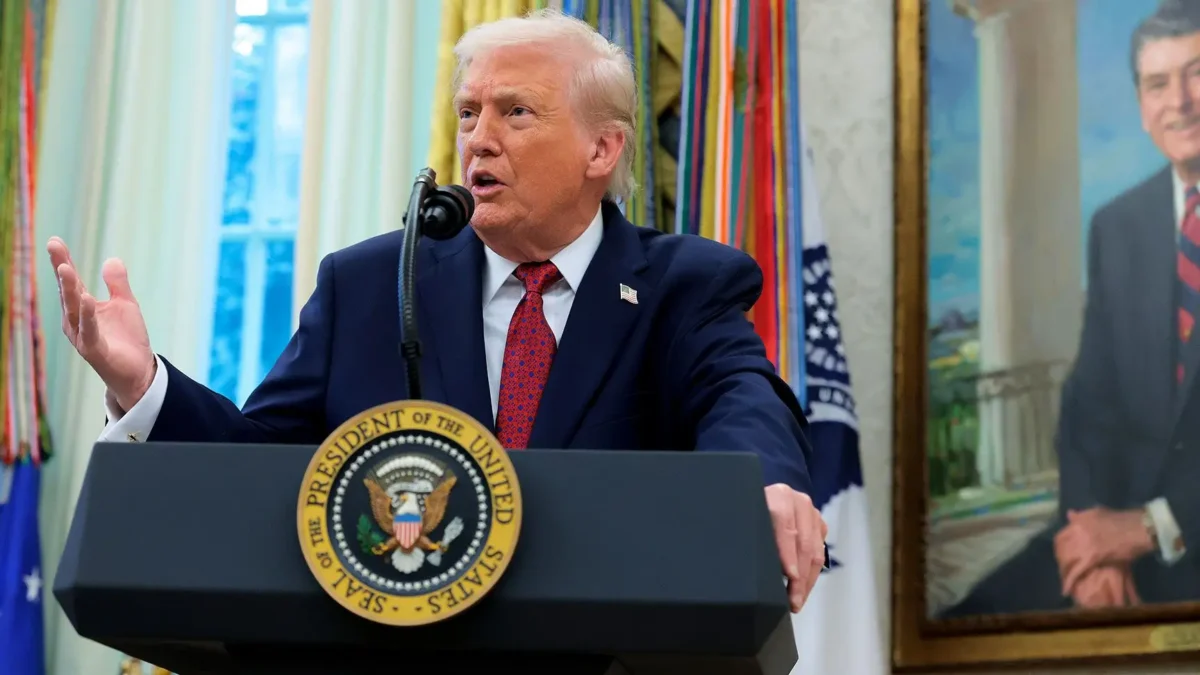
A federal judge in Miami has ruled that Trump’s BBC suit, a defamation case over a documentary edit, can go forward. A public broadcaster in London must now defend its journalism in a Florida courtroom, in a case brought by a sitting US president. I want to know what in European law protects media from that kind of pressure, and the answer is less than we tell ourselves.
Table of contents
What the judge decided
On 10 November Judge Jeffrey Kuntz refused to dismiss the defamation claim and threw out a second claim under Florida’s unfair trade practices law. He rejected the BBC’s argument that a Florida court has no jurisdiction over a programme the BBC says was never aired in the United States. He called the edit “not trimming around the edges”.
The ruling is partial and not final. The documentary spliced three quotes from two parts of the January 2021 speech, almost an hour apart, into what looked like one quote. The BBC has apologised, and its top executive and head of news resigned. Reports differ on the amount: $10 billion in total, or at least $5 billion for each of two claims.
The judge also found it plausible that the BBC acted with actual malice, the standard US law demands from public figures. His reasons: the BBC had the full speech in hand, and Trump alleges a pattern of inaccurate reporting about him. He criticised the Supreme Court’s New York Times v. Sullivan precedent and said he was bound by it.
Read also: Europe’s Free Press Is Dying Quietly
The cost arrives before the verdict
After the BBC demanded records on the value of his businesses, Trump narrowed the suit to reputational harm. He has been ordered to give a deposition by 11 December. The BBC has already been fighting over what discovery can reach: a magistrate judge ordered records from the trust that holds his business interests, and the BBC has warned of a “chilling effect” on reporting about public figures.
The BBC said it is surprised by the decision, respects the court’s authority and remains confident in its position. Even so, a broadcaster must pay lawyers in a foreign court for years, whatever the outcome. That is the pressure, and it does not need a final judgment to work. Any outlet with a much smaller legal budget than the BBC would face that bill with less room to hold out.
What the European act covers
Regulation (EU) 2024/1083, the European Media Freedom Act, has applied in most of its provisions since 8 August 2025. The Commission’s summary highlights confidentiality of journalistic sources, limits on spyware against journalists and a new board of national media regulators.
All three guard media against the tools of states. None of them is an answer to a lawsuit filed by a foreign politician in a foreign court. A publisher in Paris, Madrid or Warsaw that faces the same suit would find none of the act’s headline protections aimed at it.
Read also: Independent Media Has Become the Kremlin’s Mask
Enforce it, then extend it
Press freedom law is tested the first time a powerful plaintiff uses ordinary litigation as a weapon, and this is that test. The Act is a floor, and a floor needs inspectors. The new board exists, and member states must apply the rules in practice. If Brussels wants the law to mean something, it should start by publishing how many complaints the board has received and what it did with them.
Then it should ask the harder question. Should an EU outlet that is sued abroad for lawful reporting get legal help, or a shield against enforcement of a foreign judgment? Waiting for a case in Europe to force the answer is a choice, and a poor one.
Trump hailed the ruling as “A Huge Victory against Fake News BBC”. Any other litigant with money and a grievance has now been shown the route, and European publishers should assume somebody will try it. That should worry every newsroom that covers powerful people.
Sources
- Politico (via Yahoo News): Judge rejects BBC motion to dismiss Trump libel suit (11 Nov 2026) – the ruling, the jurisdiction argument, reactions.
- RTÉ (AFP): US judge rejects BBC bid to dismiss Trump defamation case (11 Nov 2026) – partial dismissal, deposition deadline, amounts claimed.
- CFJC Today (Canadian Press): Trump’s defamation lawsuit against the BBC is set to go to trial in 2027 (12 Feb 2026) – the edit, the earlier procedural order, the BBC’s stance.
- News Tribune (dpa): Judge orders Trump to reveal financial records (23 Jul 2026) – the discovery order and the BBC’s chilling-effect argument.
- European Commission: European Media Freedom Act – what the Act highlights and when it applied.